Soft Architecture 01
Made to order in custom sizes.
Request infoDESKTOP
IPHONE · TRES SECCIONES EN UNA PANTALLA
DESKTOP
IPHONE
A journey through the years
Tell us about your project. Let’s have a conversation.
Selected works
Studio Uriegas
Some ideas ask for a different surface.
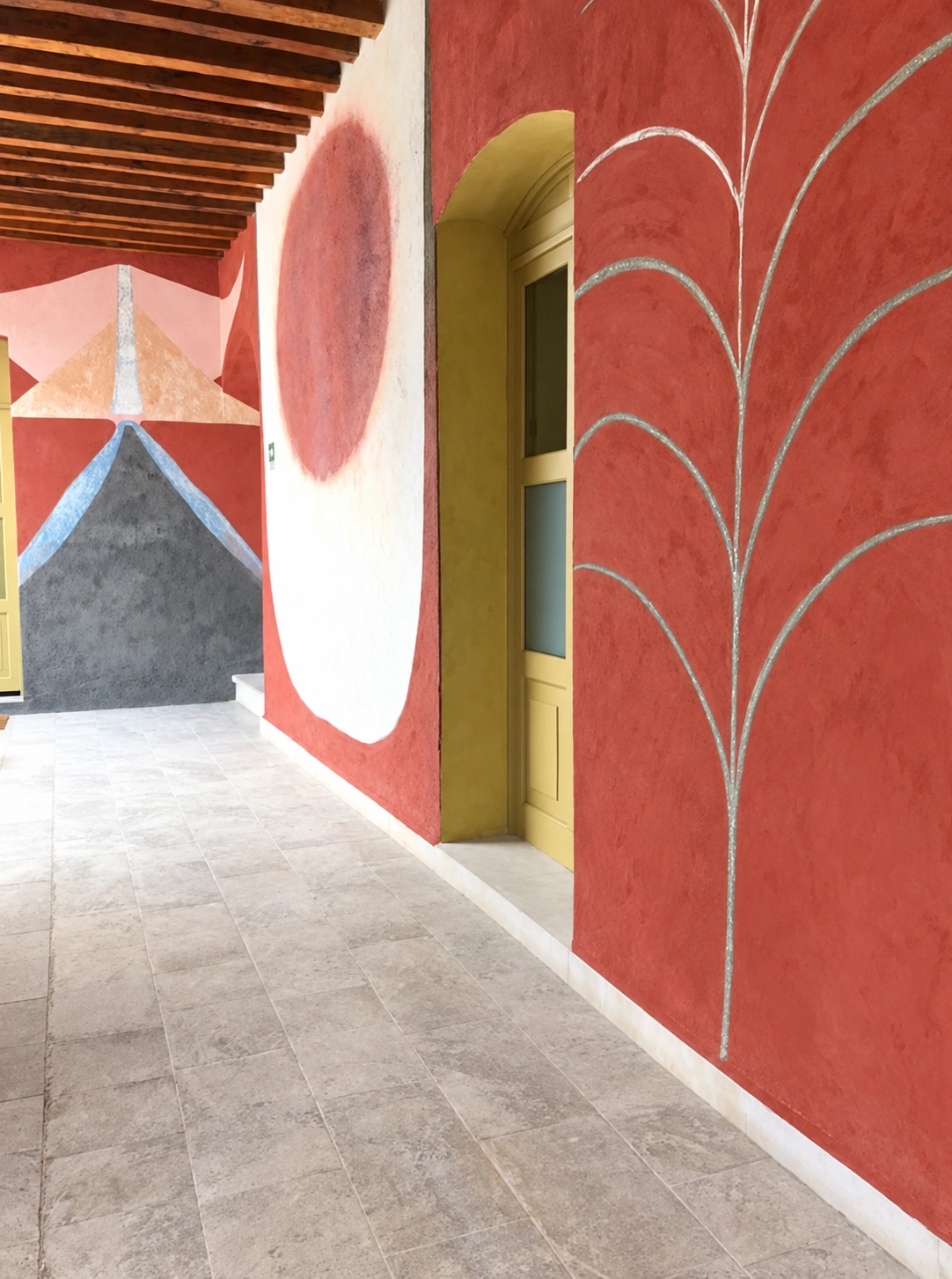
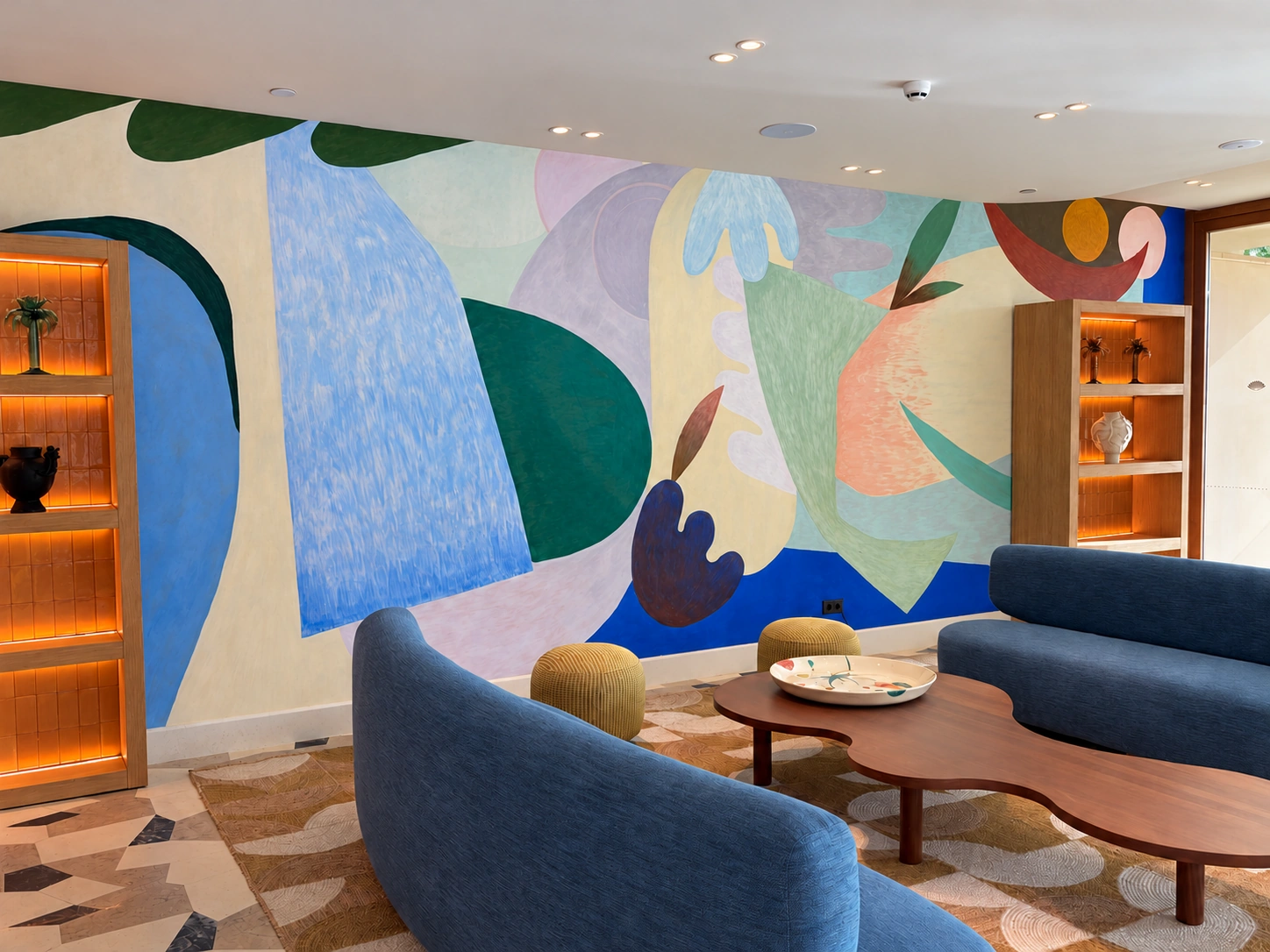
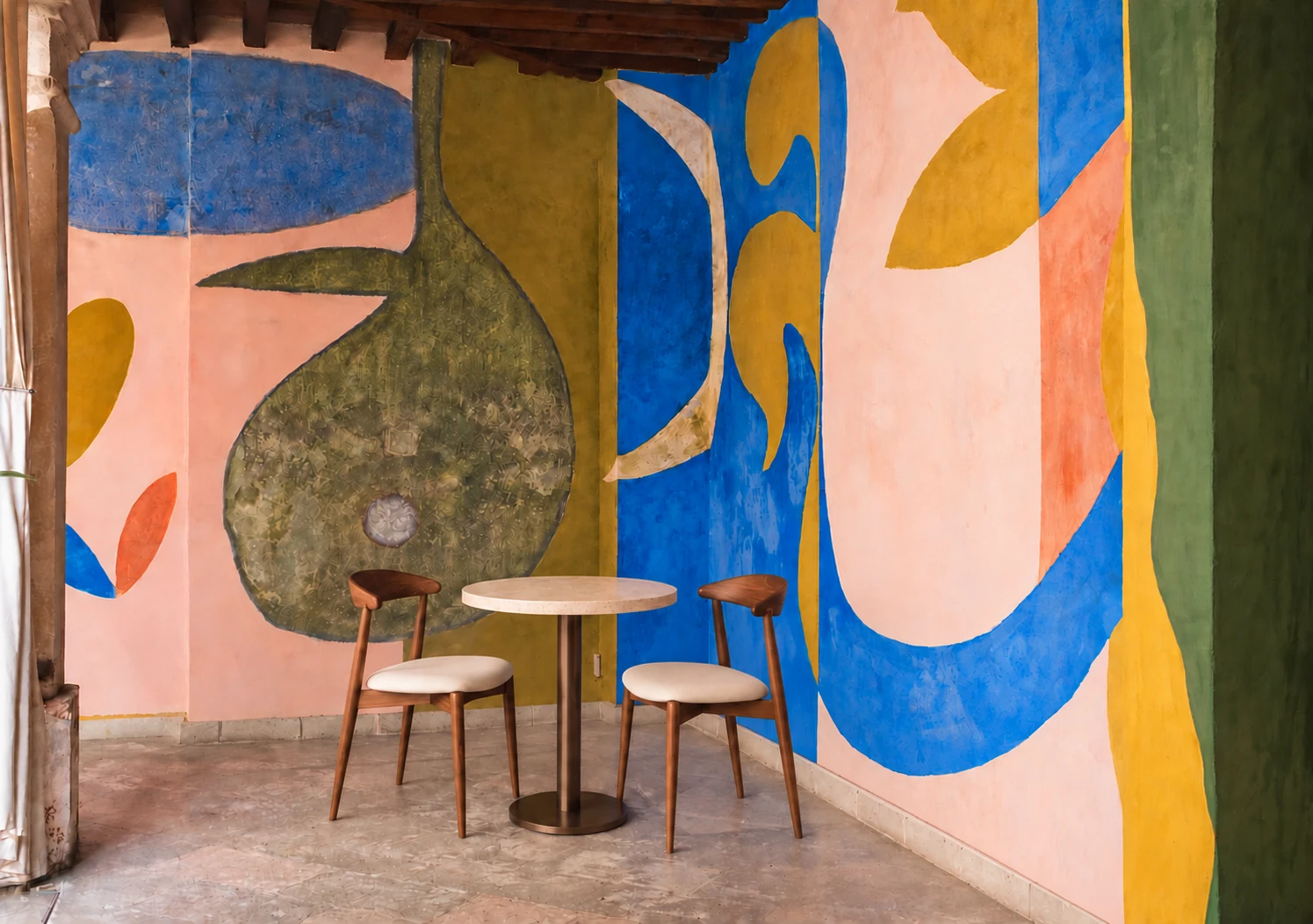
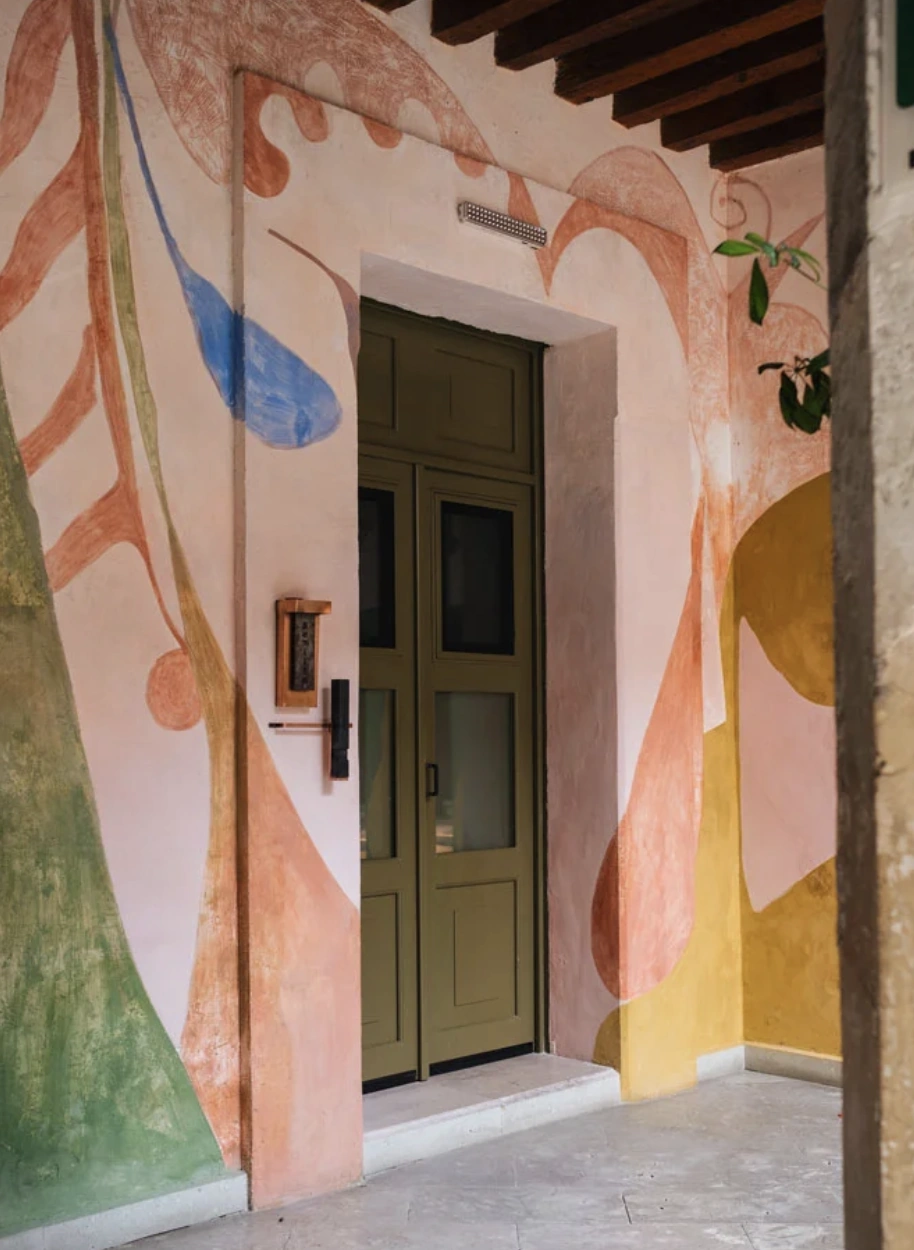
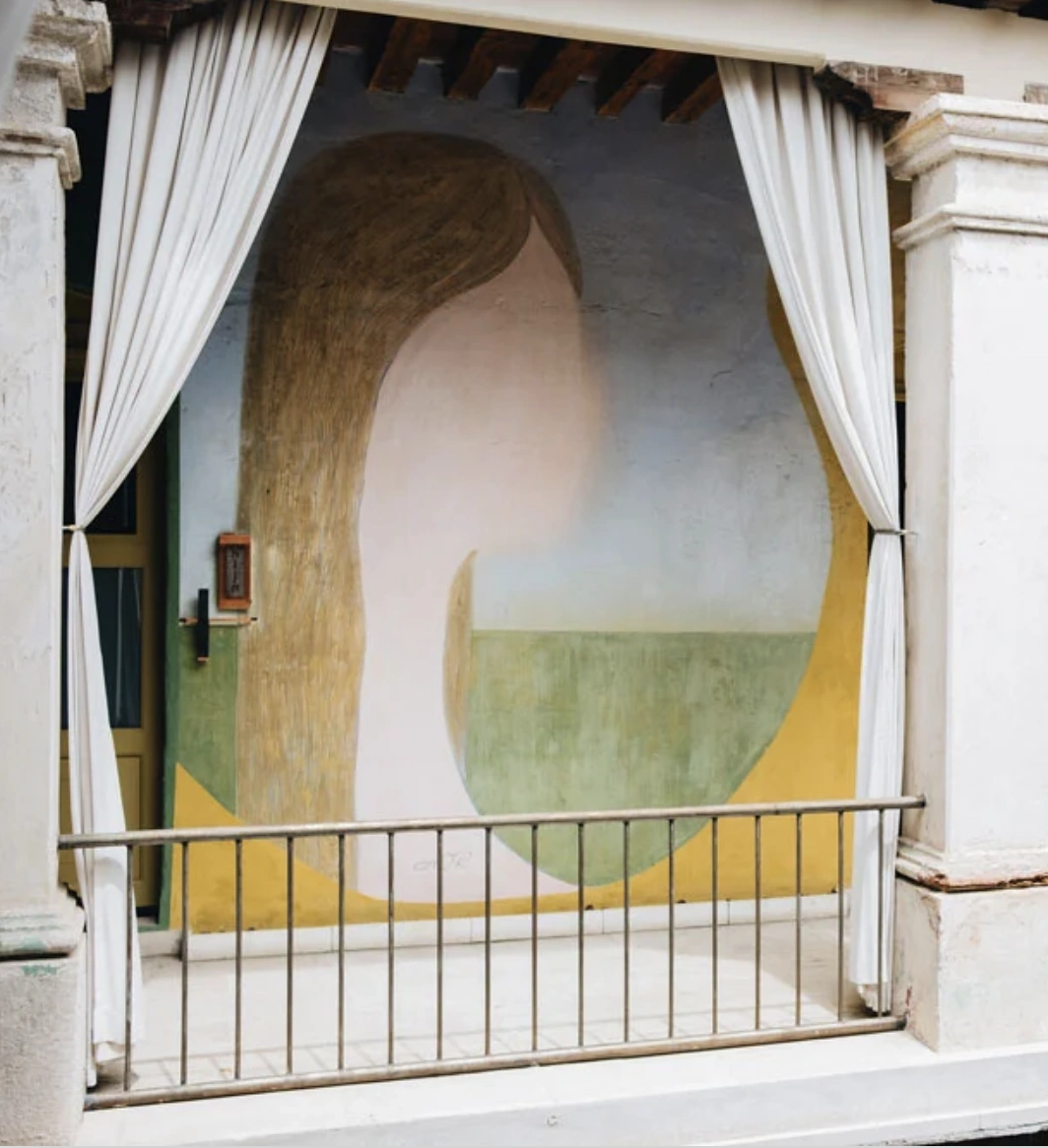
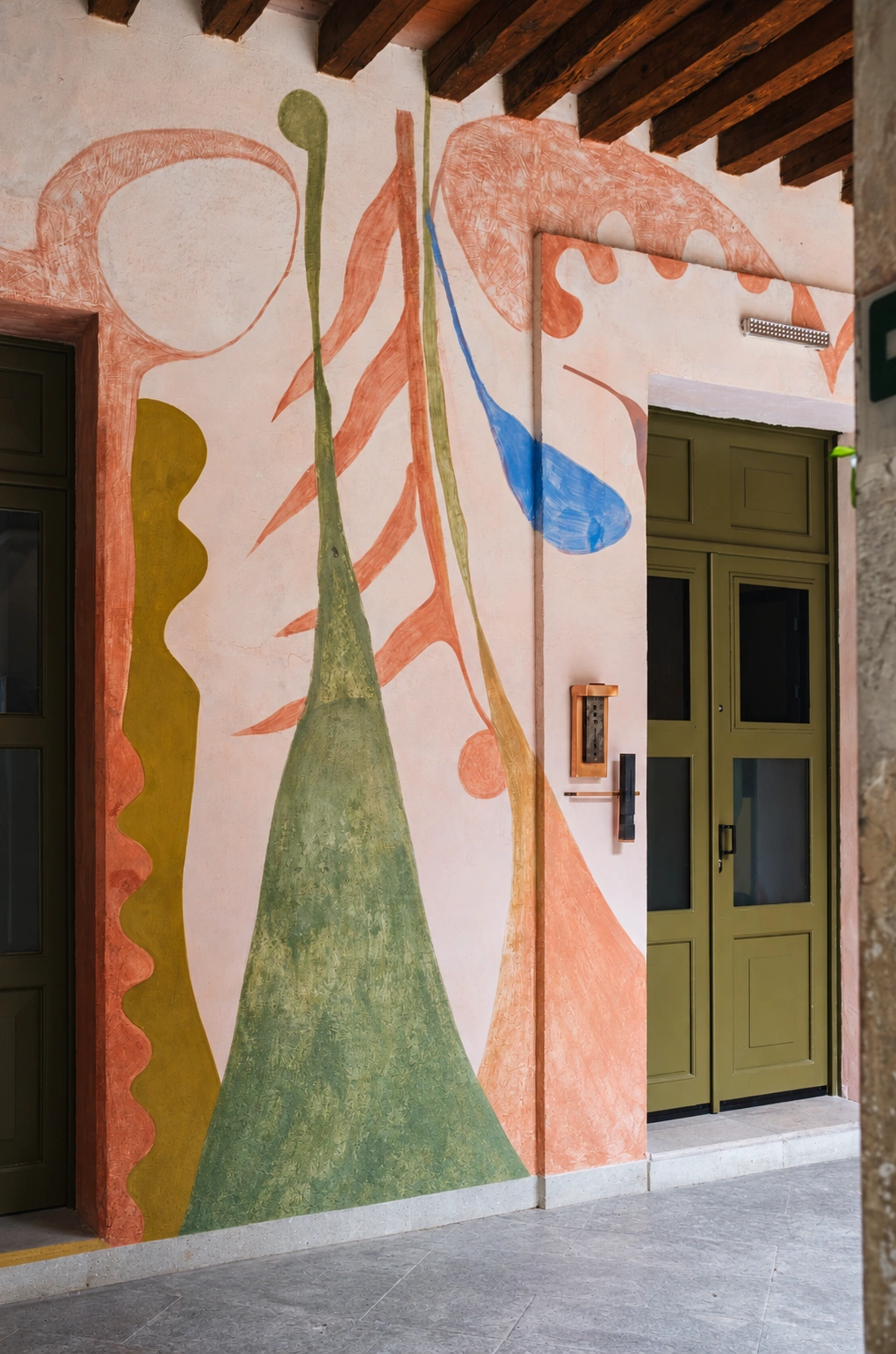
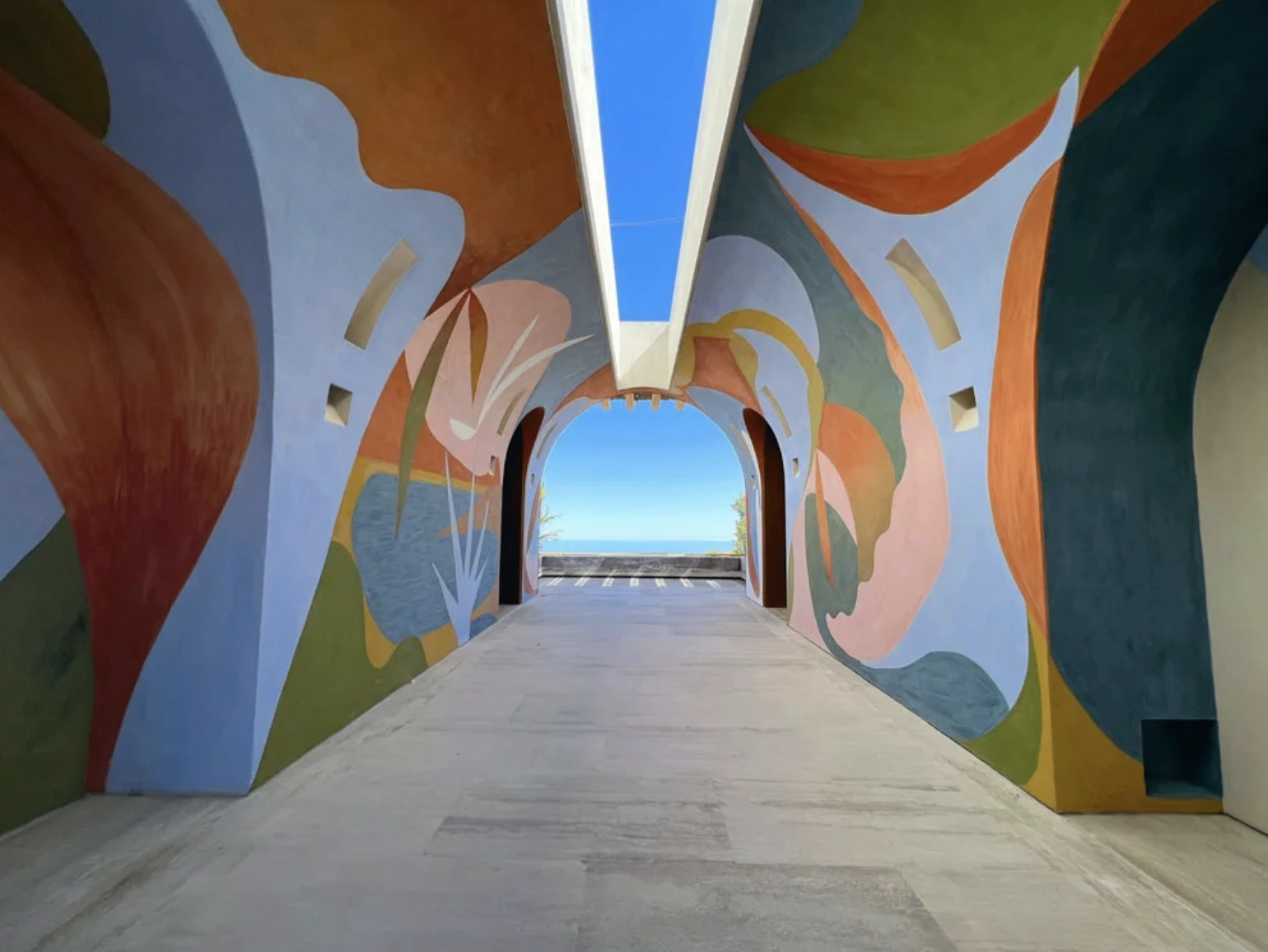
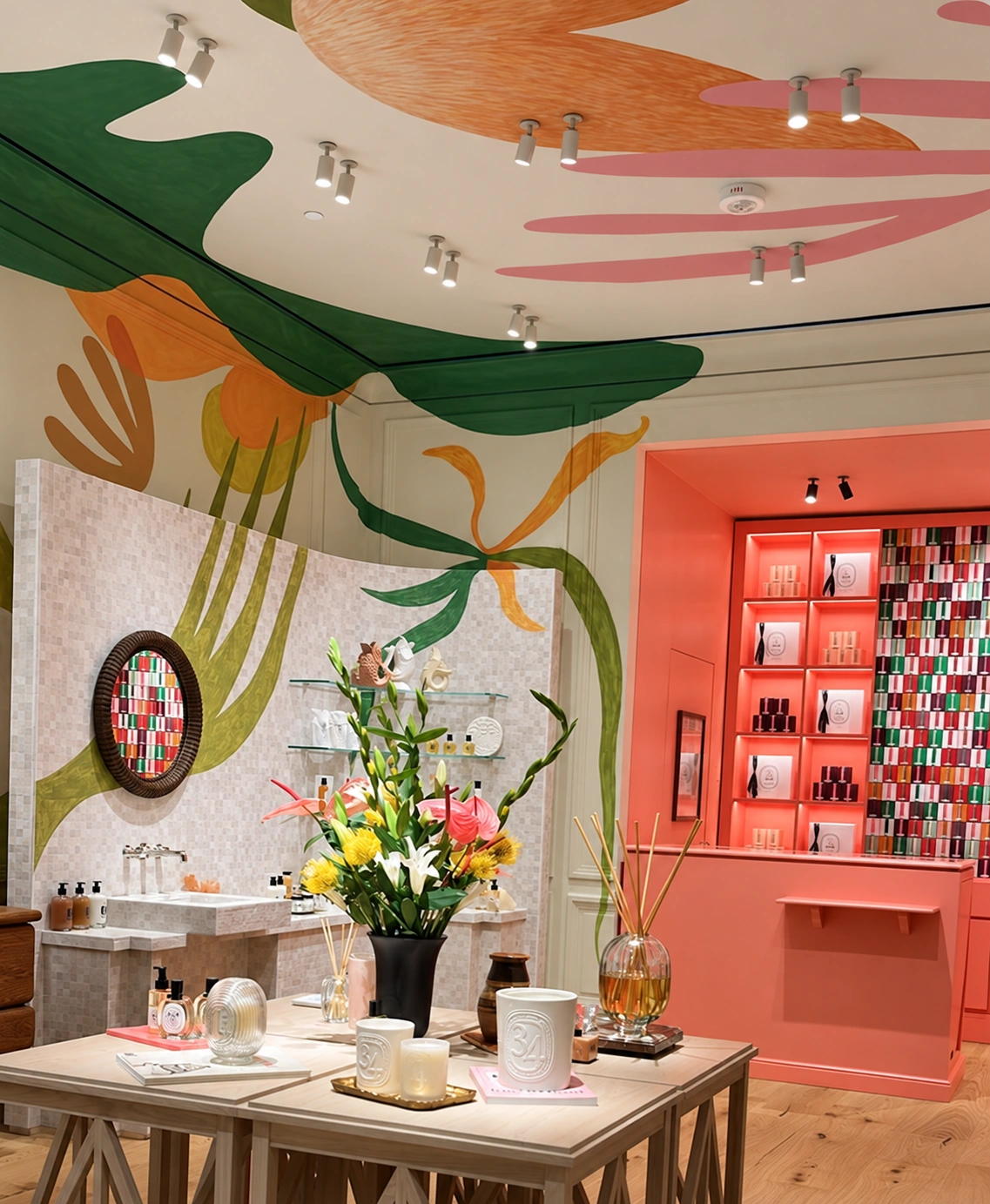
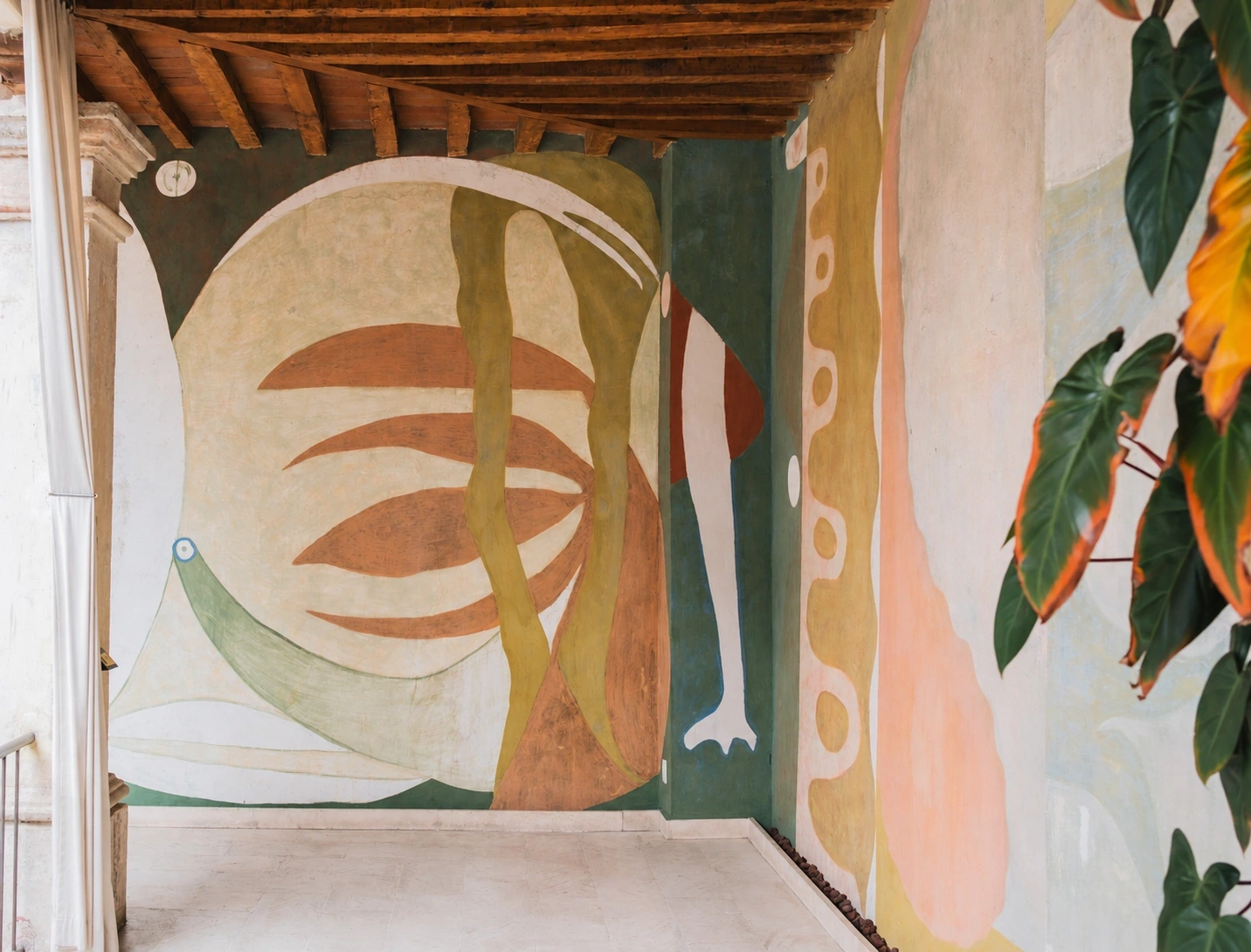
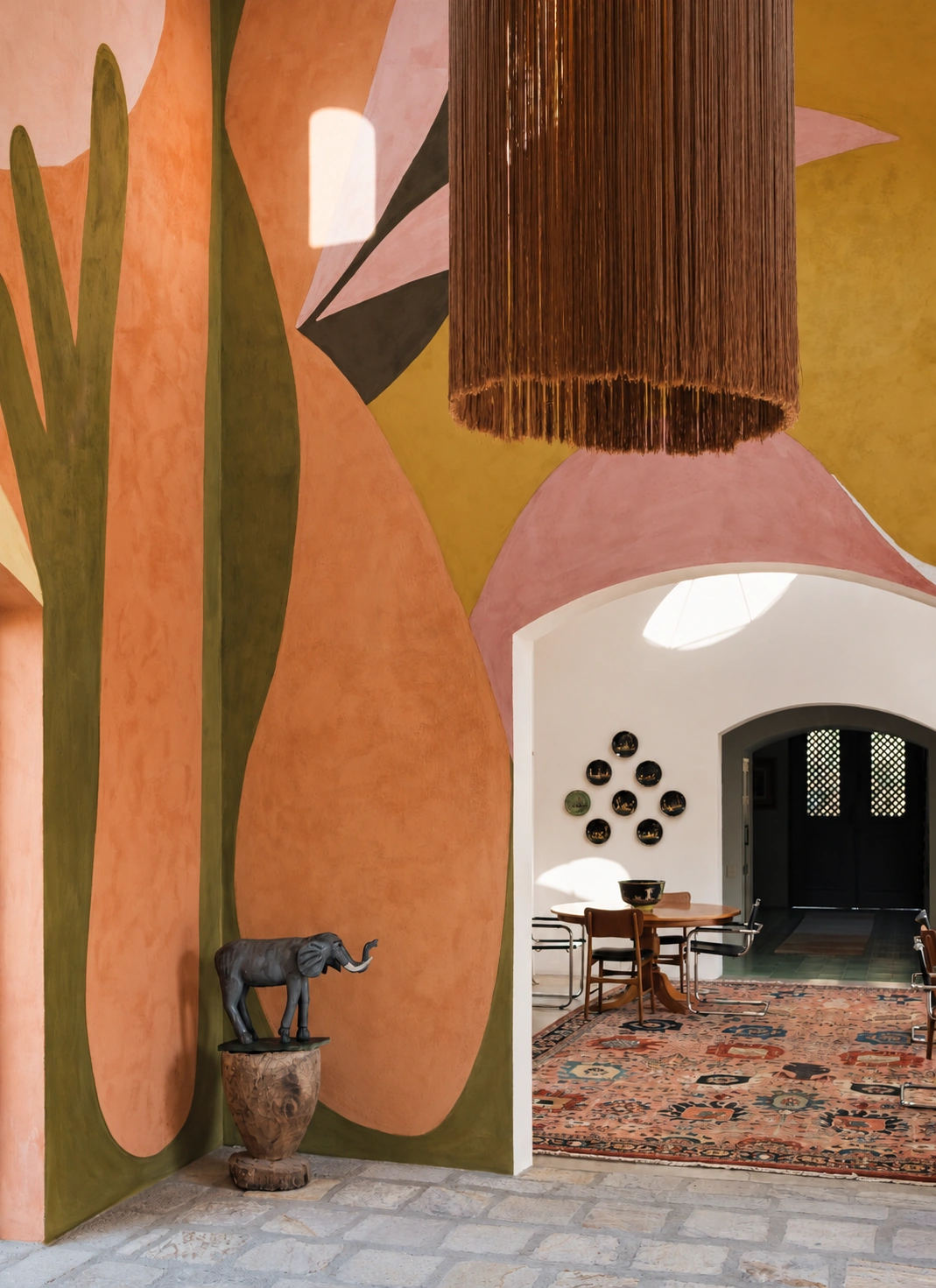
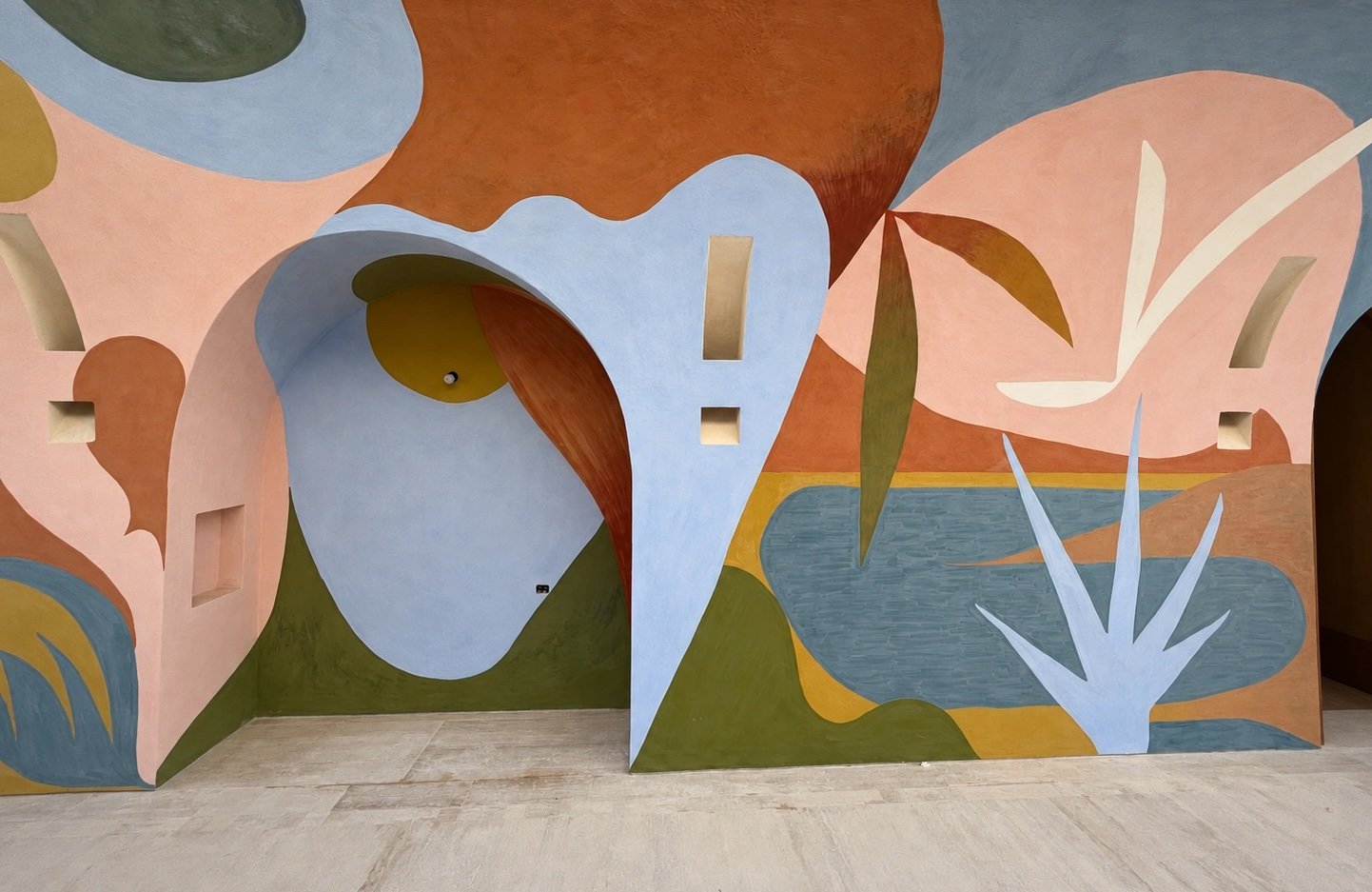
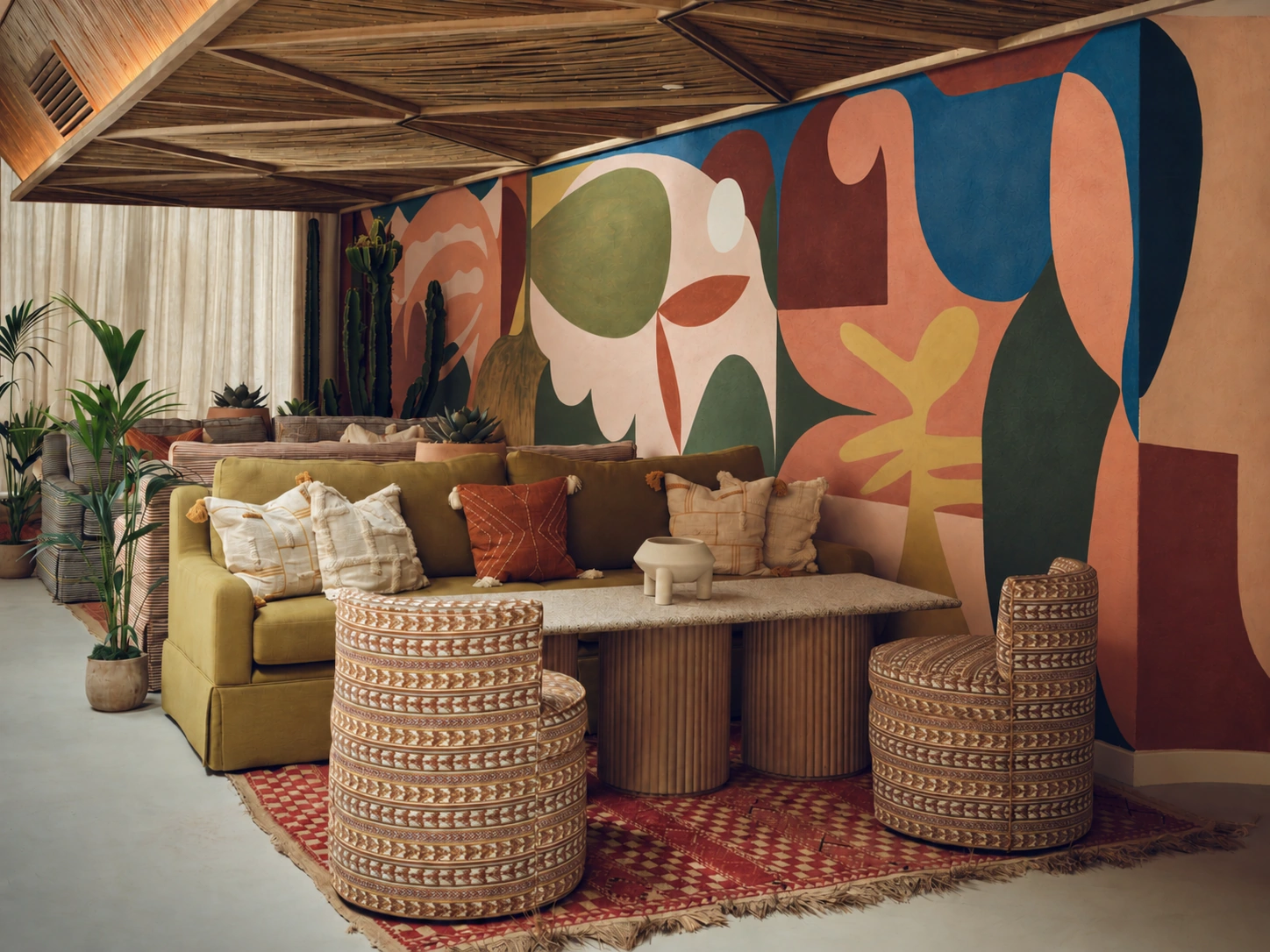
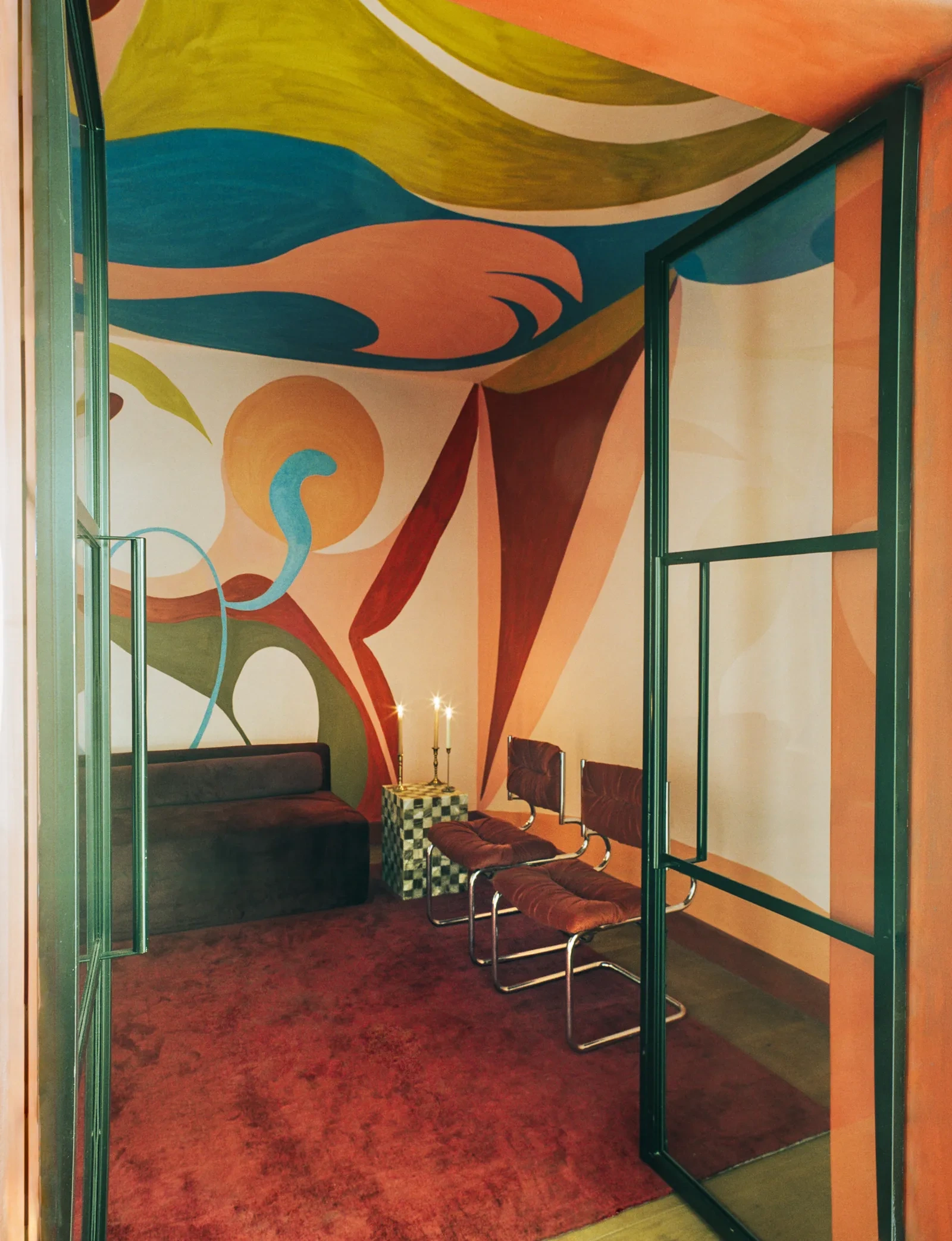
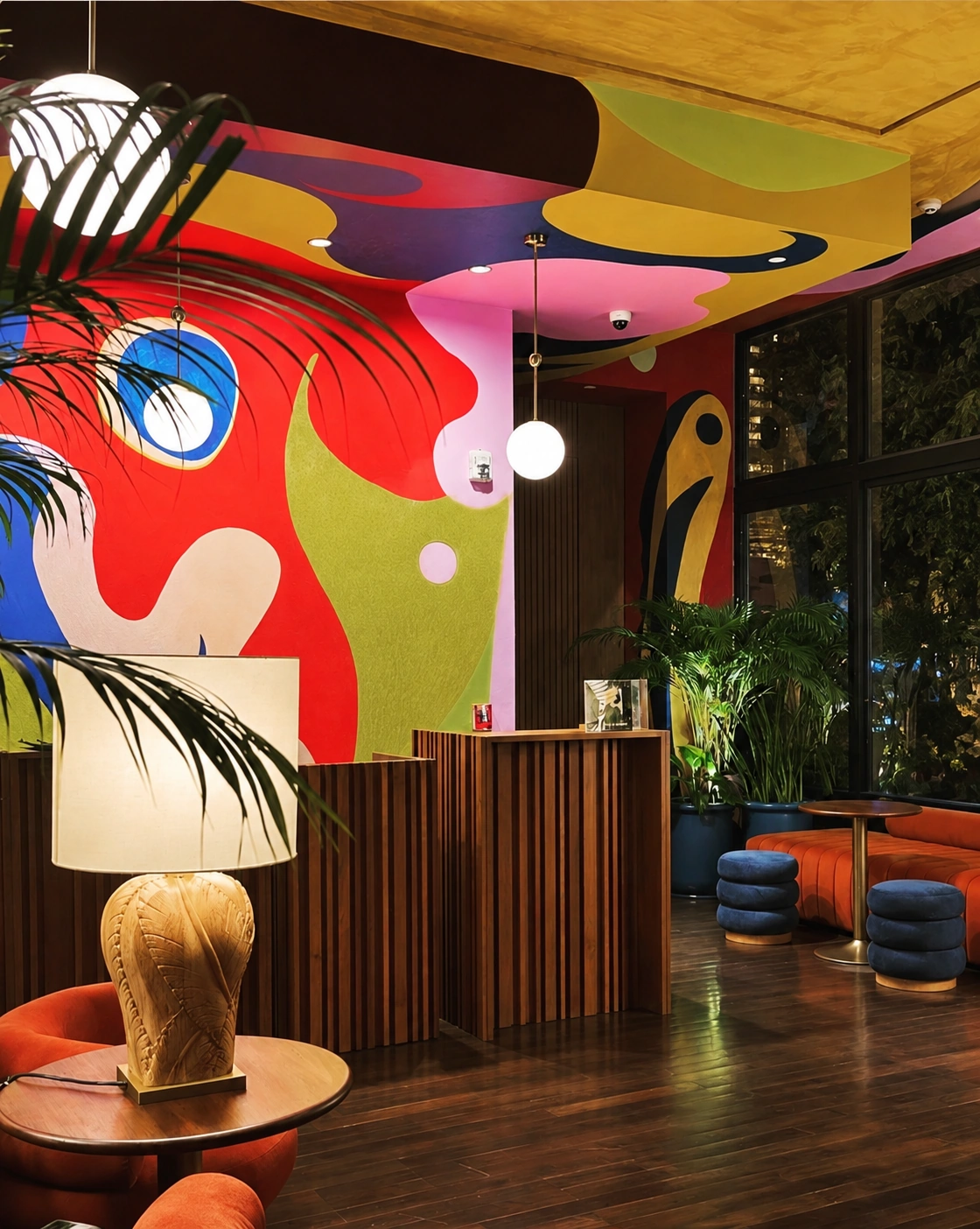
Studio Uriegas brings Rafael Uriegas’s painting into architecture and interiors. Working with architects, designers and craftspeople, the studio explores how color, form and material shape the spaces we inhabit—from a mural that changes the character of a room to a rug that becomes its point of departure.
Each collaboration begins with the place: its light, proportions and the people who move through it. The work grows from that conversation.
The first chapter is underfoot.
A softer ground for bold ideas.
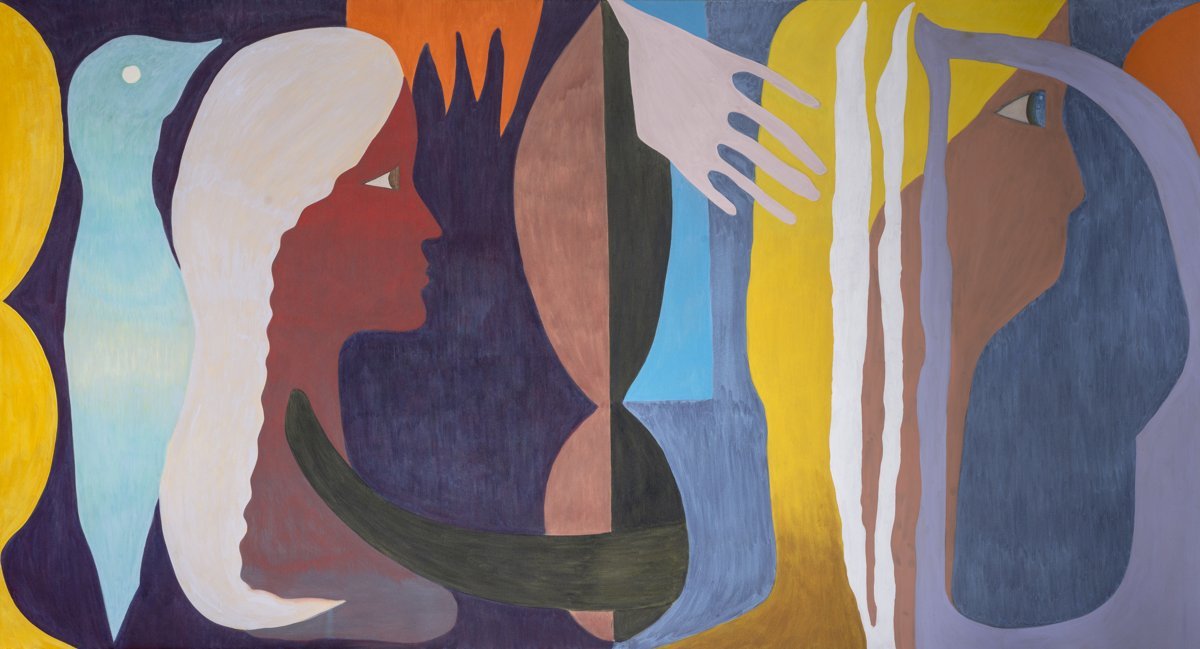
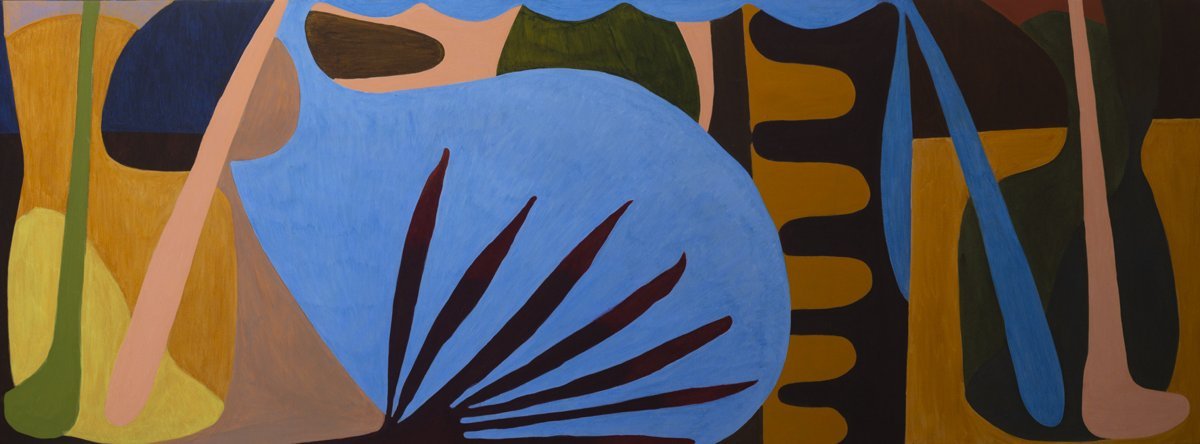
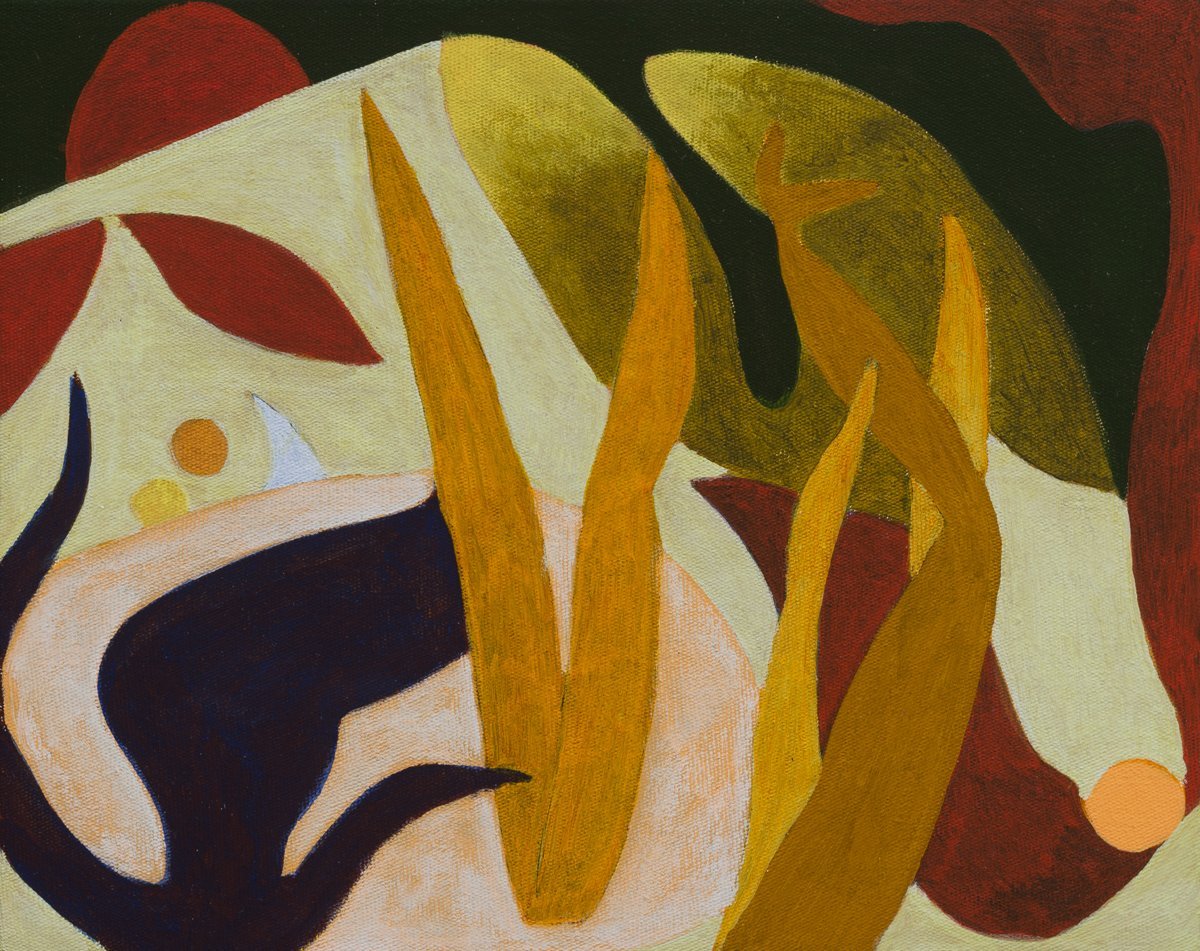
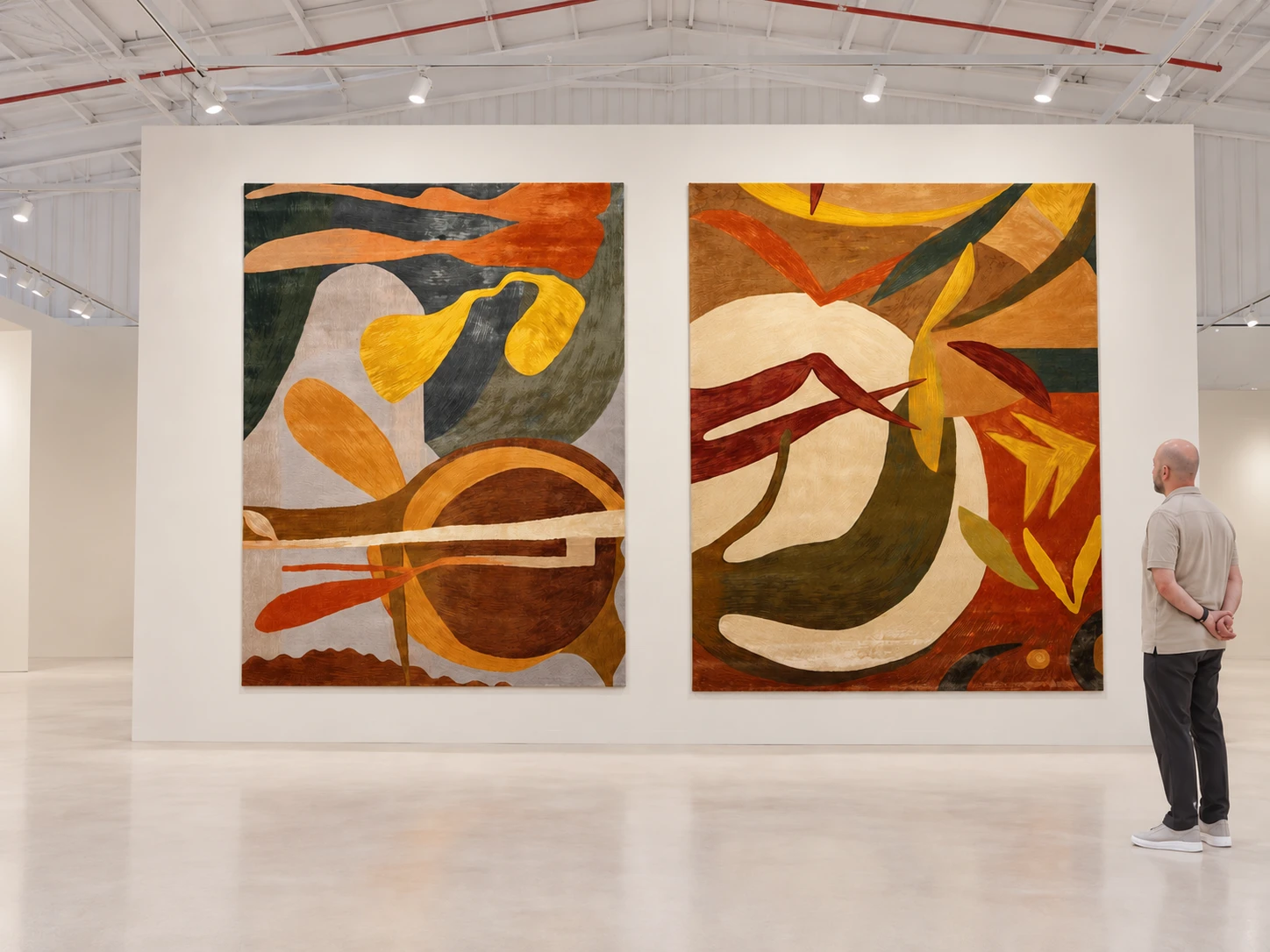
Three limited-edition rugs translate Rafael’s compositions into wool and silk. Handmade, they give his forms another dimension: color acquires depth, edges become tactile, and the work finds its place among furniture, footsteps and everyday life.
These are pieces to build a room around—or introduce to a room that has become a little too well behaved.
Made to order in custom sizes.
Request info8 × 10 ft · 244 × 305 cm
Also made to order in custom sizes.
10 × 14 ft · 305 × 427 cm
Also made to order in custom sizes.
Developed with Samovar, a carpet atelier with family roots dating to the 1920s.
A room, a building, a place taking shape. Tell us what you’re imagining.
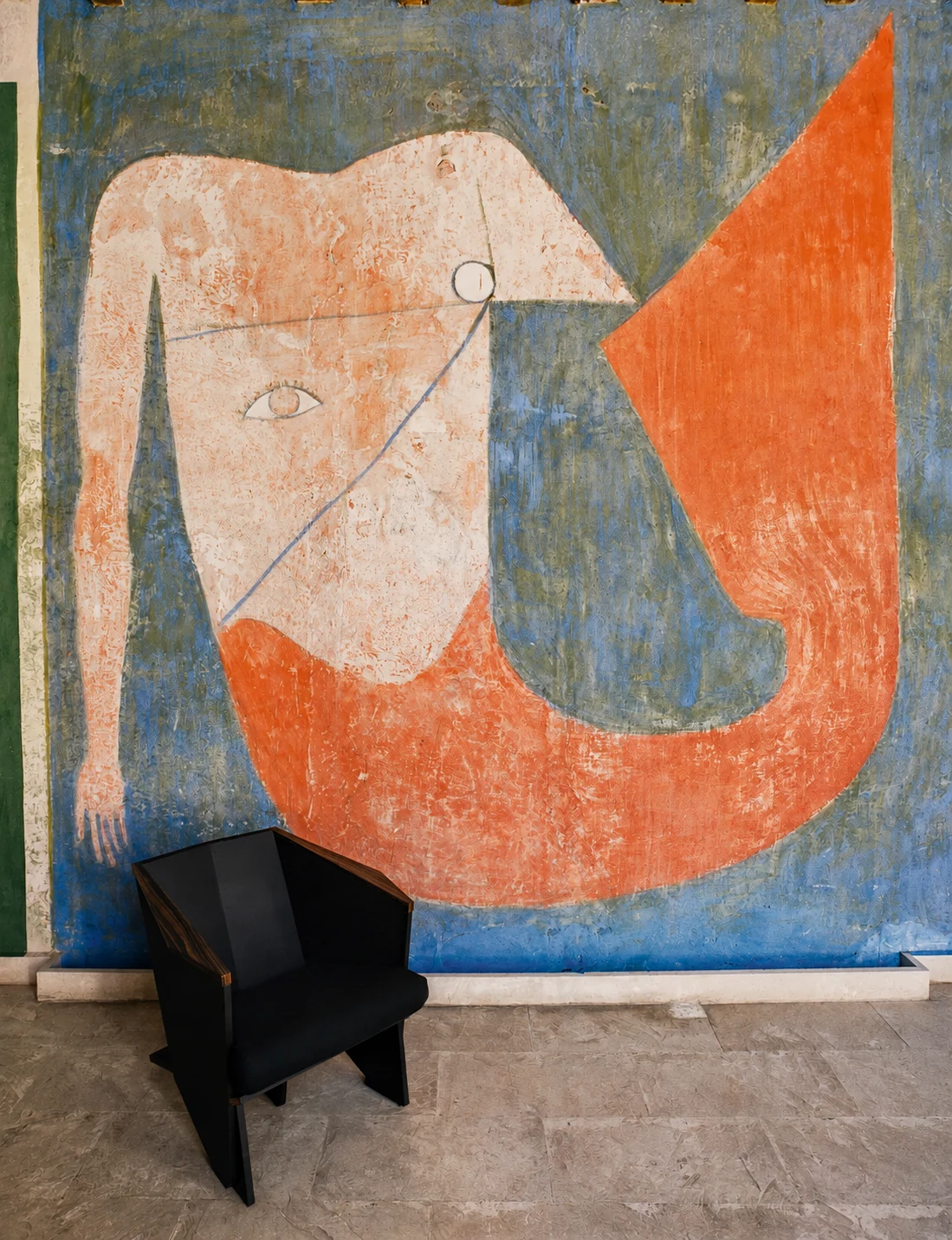
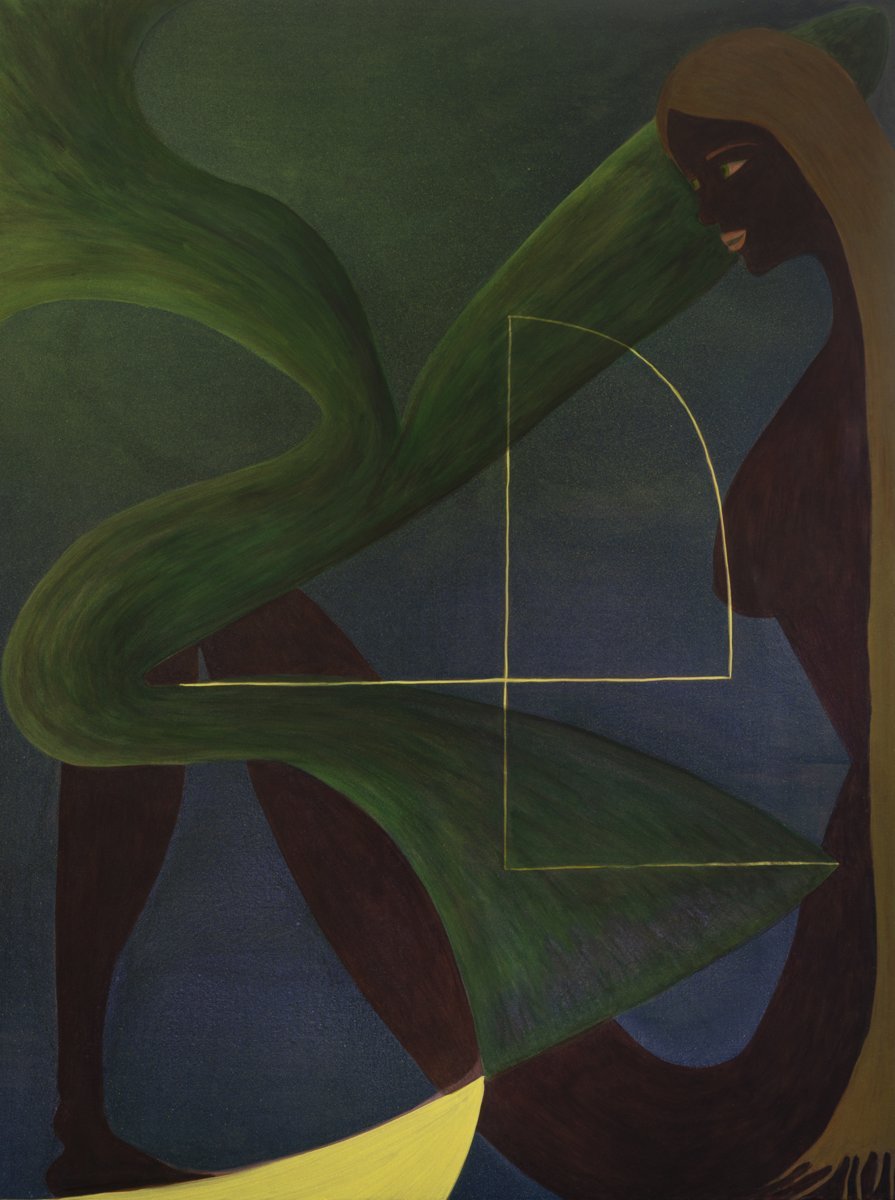
Talk to usRafael Uriegas is a Spanish-born painter and muralist whose practice moves between the intimacy of the canvas and the immersive scale of architecture. Based in Mexico since 2010, he has developed a visual language shaped by the encounter between his Mediterranean upbringing and the histories, landscapes, symbols, and pictorial traditions of Mexico. Across both paintings and frescoes, his work occupies a fluid territory between abstraction and figuration, where bodies, vegetation, animals, celestial forms, and fragments of landscape emerge, dissolve, and reappear.
Color is not simply a formal element in Uriegas's work; it is one of its primary subjects. His compositions are built through chromatic relationships that generate atmosphere, movement, and emotional tension. Curator Julieta Gonzalez has described color as the “lifeblood” of his practice, situating his work within a broad genealogy that extends from Mexican muralism and the Generación de la Ruptura to Surrealism, abstraction, and artists such as Kandinsky, Charles Burchfield, Manuel Felguérez, and Vicente Rojo.
Uriegas approaches painting as a process of discovery rather than illustration. Forms develop intuitively, often hovering between the recognizable and the imagined. A bird may become a sign, a human figure may merge with a plant, and a landscape may unfold into an almost psychological space. His recurring interest in mythology, nature, spirituality, and ancient visual cultures gives the work a sense of continuity between different places and periods without fixing it to a single narrative. Gonzalez describes this movement as one between the material and the transcendent — a space in which color, form, and memory operate together.
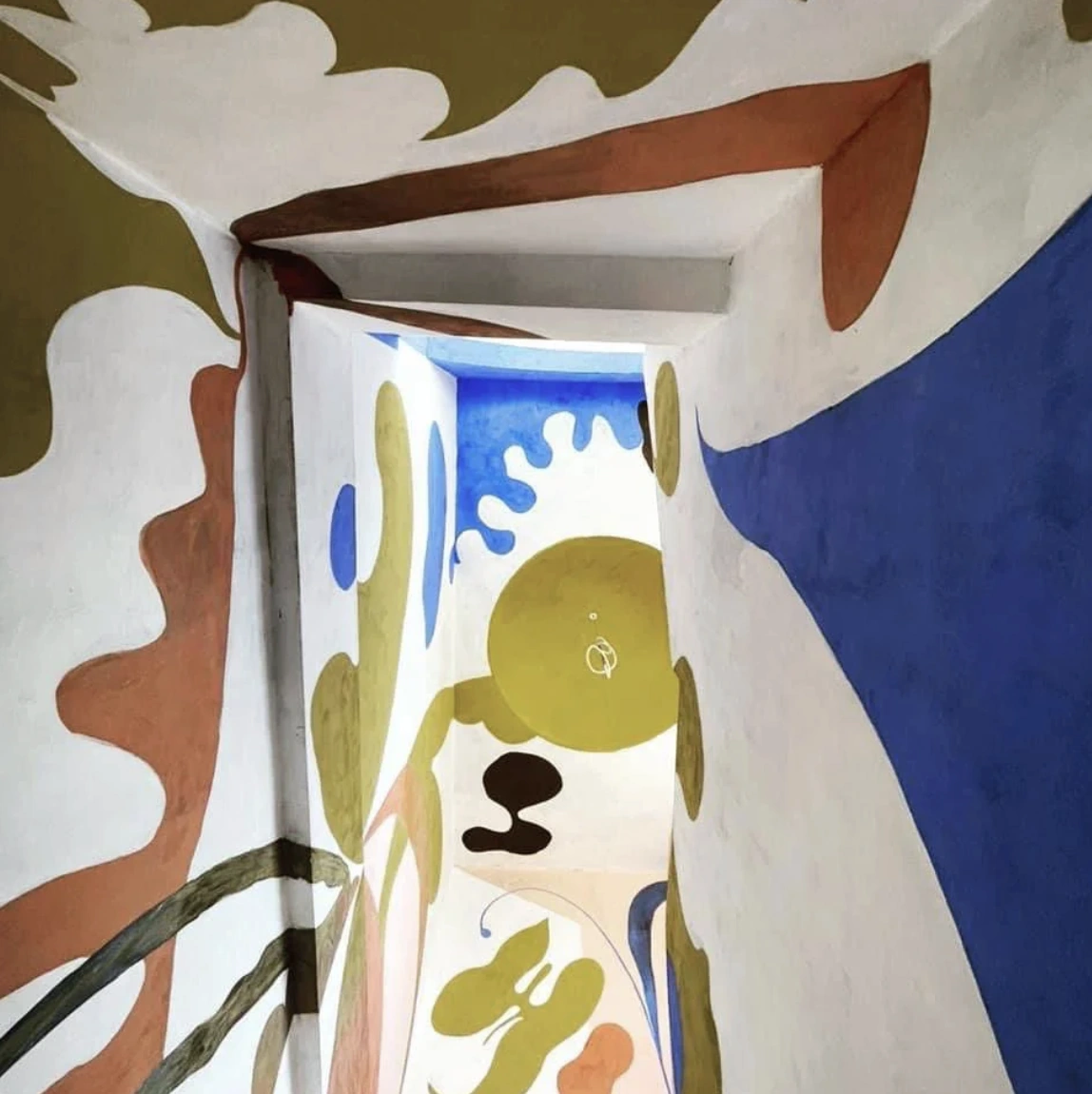
The same language expands dramatically in Uriegas's murals. Rather than treating the wall as a surface to be decorated, he allows painting to inhabit the architecture itself, moving across walls, corners, passages, and ceilings so that the viewer enters the work physically. His extensive fresco cycle at Pug Seal Zapoteco in Oaxaca brought this dimension of his practice to international attention. The World of Interiors devoted a multi-page feature to the project and placed one of his murals on the cover of its August 2024 issue, describing Uriegas as part of a new generation of painters looking back to the legacy of early twentieth-century Mexican muralism while developing a language of his own.
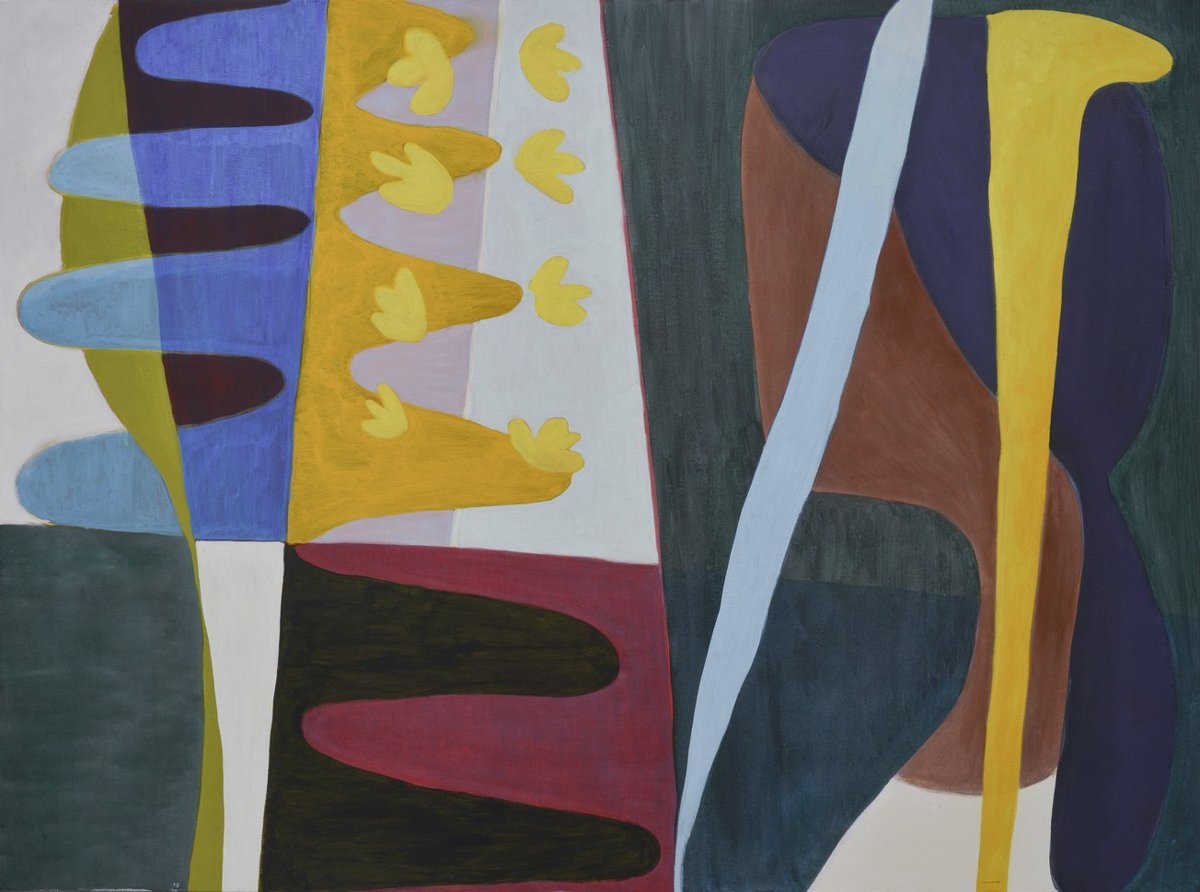
The works presented here reveal the quieter, more concentrated counterpart to those architectural projects. On canvas, Uriegas compresses the same concerns — color, movement, mythology, nature, and the relationship between figure and space — into self-contained worlds. Some compositions retain clear traces of bodies, animals, or vegetation; others approach abstraction more closely. What connects them is an interest in painting as an experience rather than a description: an image that is encountered gradually and felt before it is fully understood.